Restaurant technology
Scale momo operations with one digital stack.
POS, order management, guest apps, kitchen display and smart kiosks — one catalog, governed like enterprise software, built for dumpling volume.
Live ticket
See why generic POS fails a momo ticket
Tap a SKU. Metro Momo splits it to steam, fry, sauce and expo with SLAs — not a note that the kitchen never reads.
This is the unique layer: cook method as infrastructure.
Jhol momo × 10
Steam · chilli · sauce bowl
Recommended
Three systems every outlet needs
Products
The Metro Momo stack
Six products, one item master. Price, photo, allergen and cook method stay in sync from till to steamer.
Catalog as data
Every plate is a SKU object
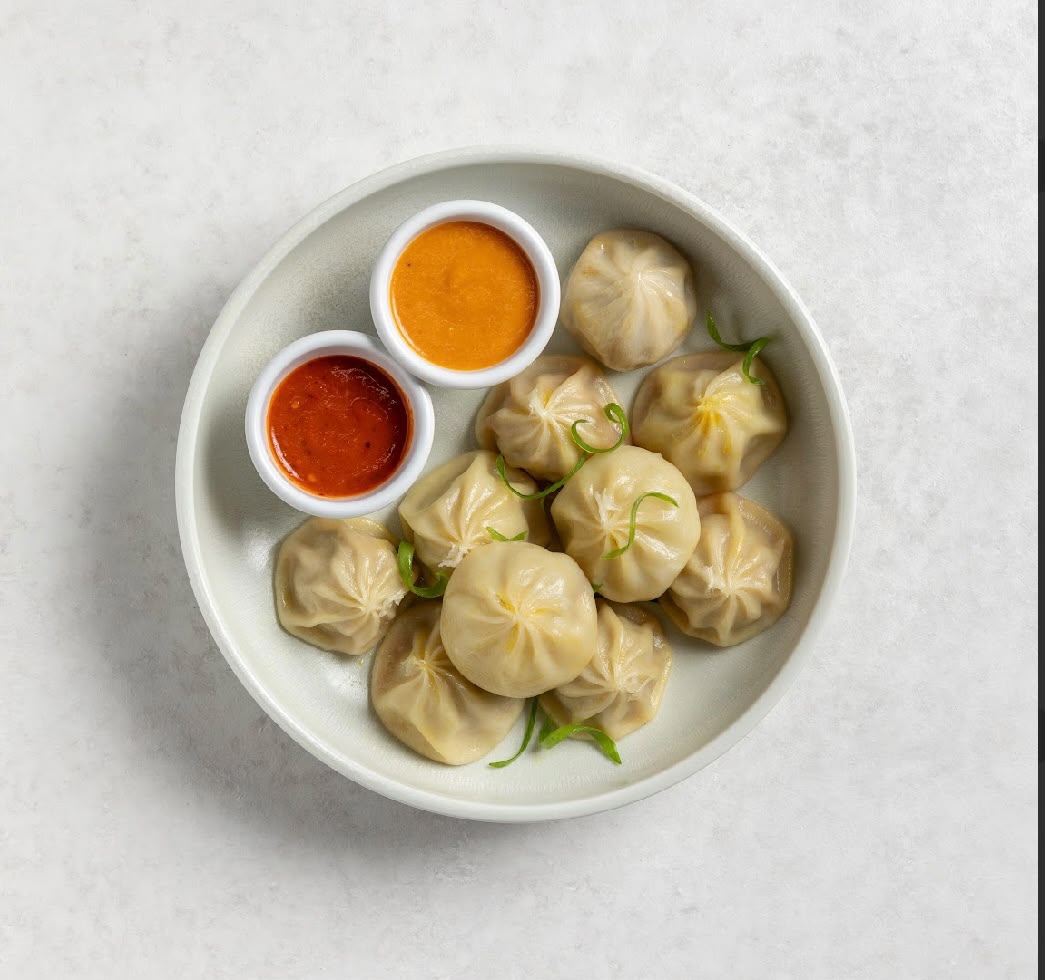
MM-ST-01
Steamed · two sauces
Steam
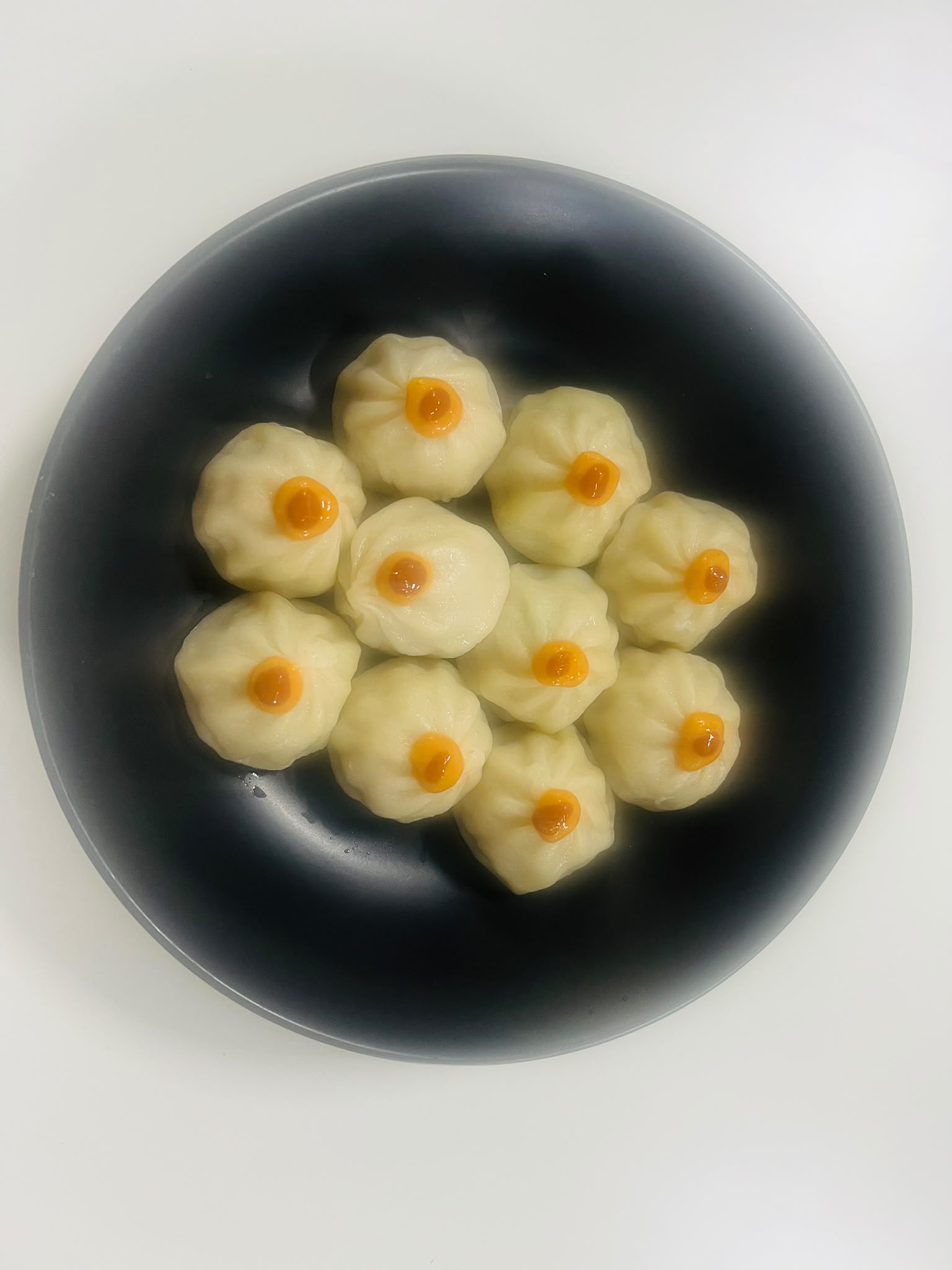
MM-ST-02
Steamed · chilli cap
Steam
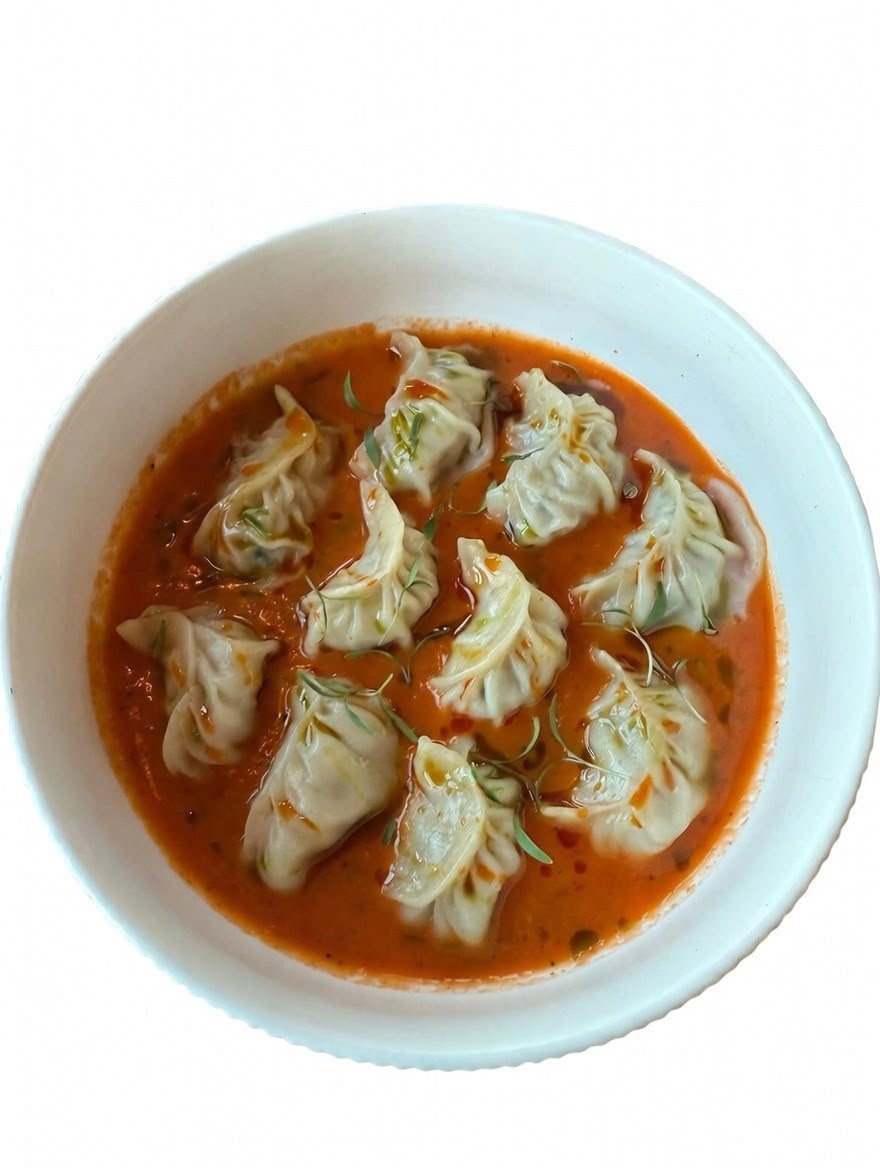
MM-JH-01
Jhol · service bowl
Steam + sauce
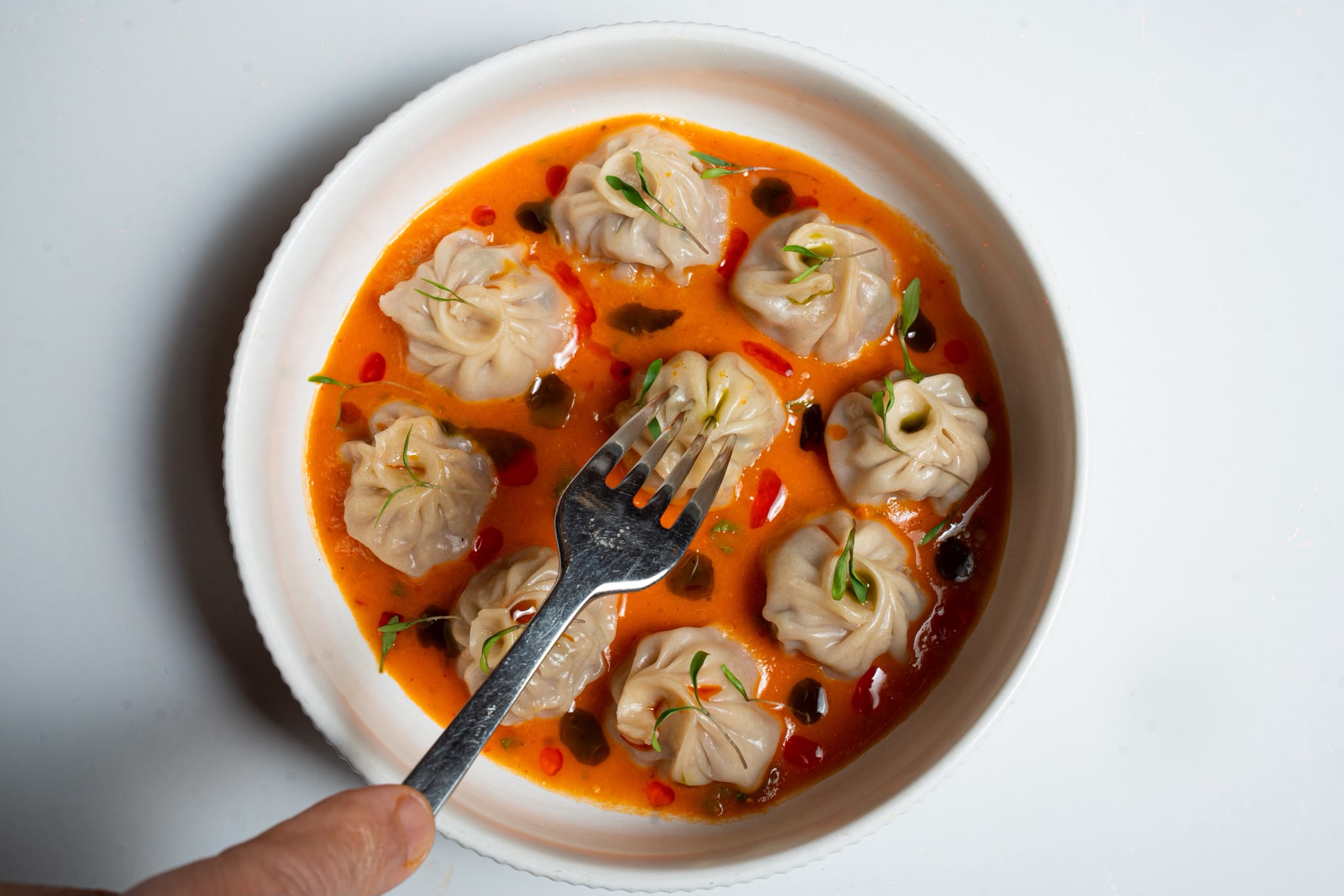
MM-JH-02
Jhol · expo
Sauce
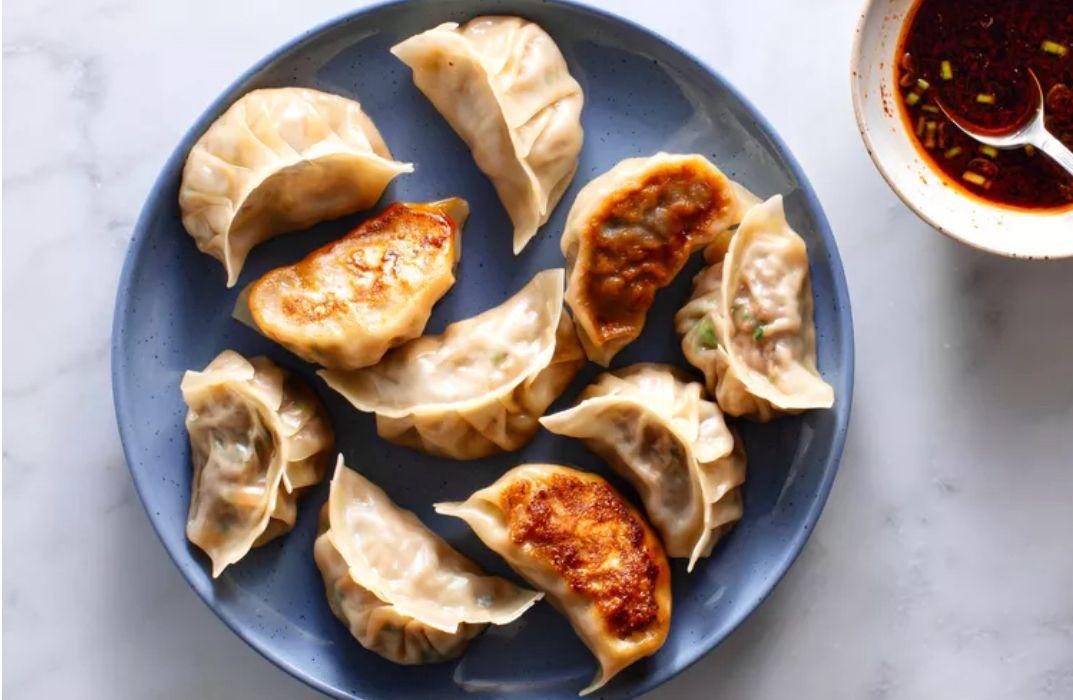
MM-FR-01
Pan-fried
Fry
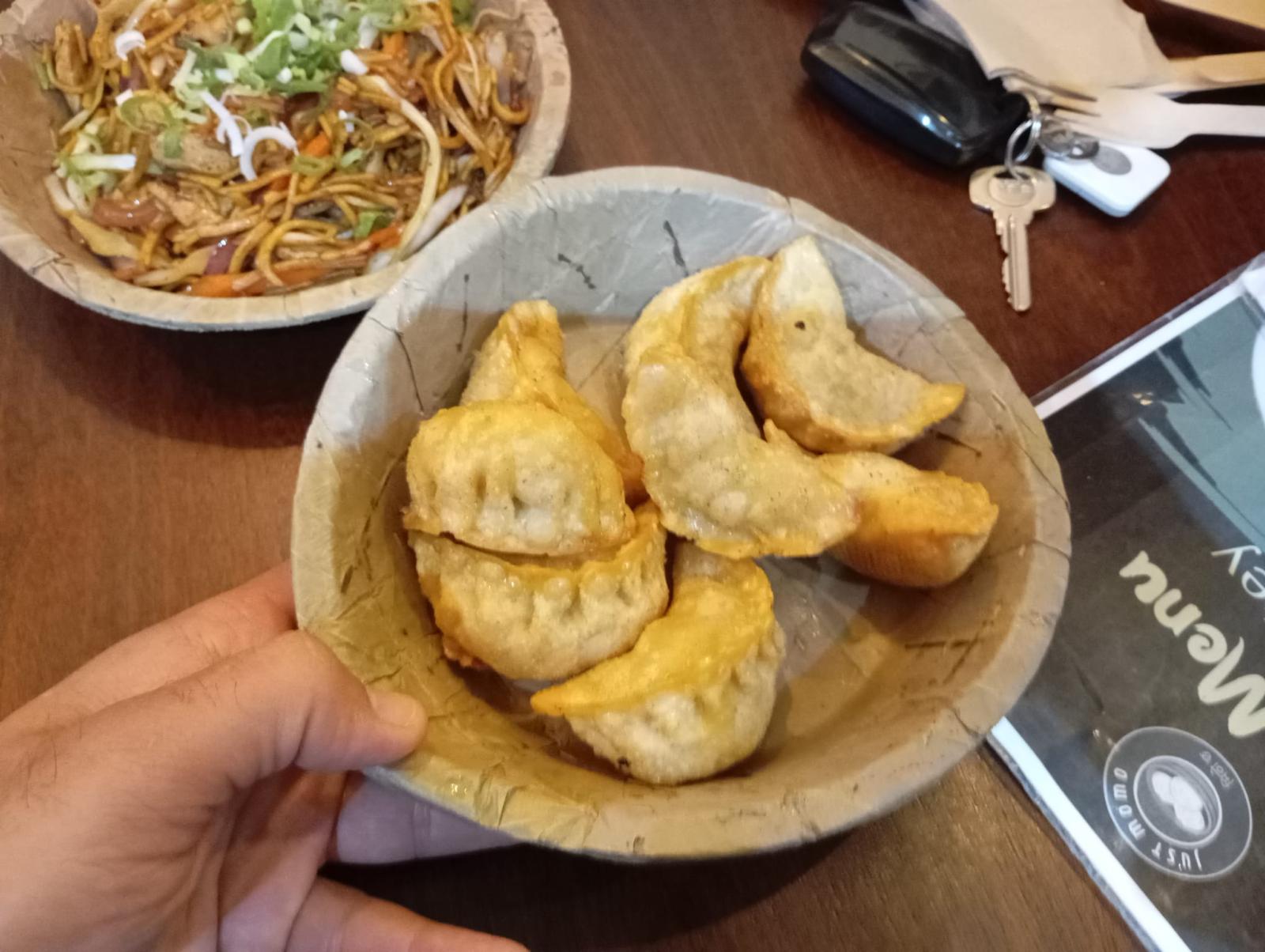
MM-FR-02
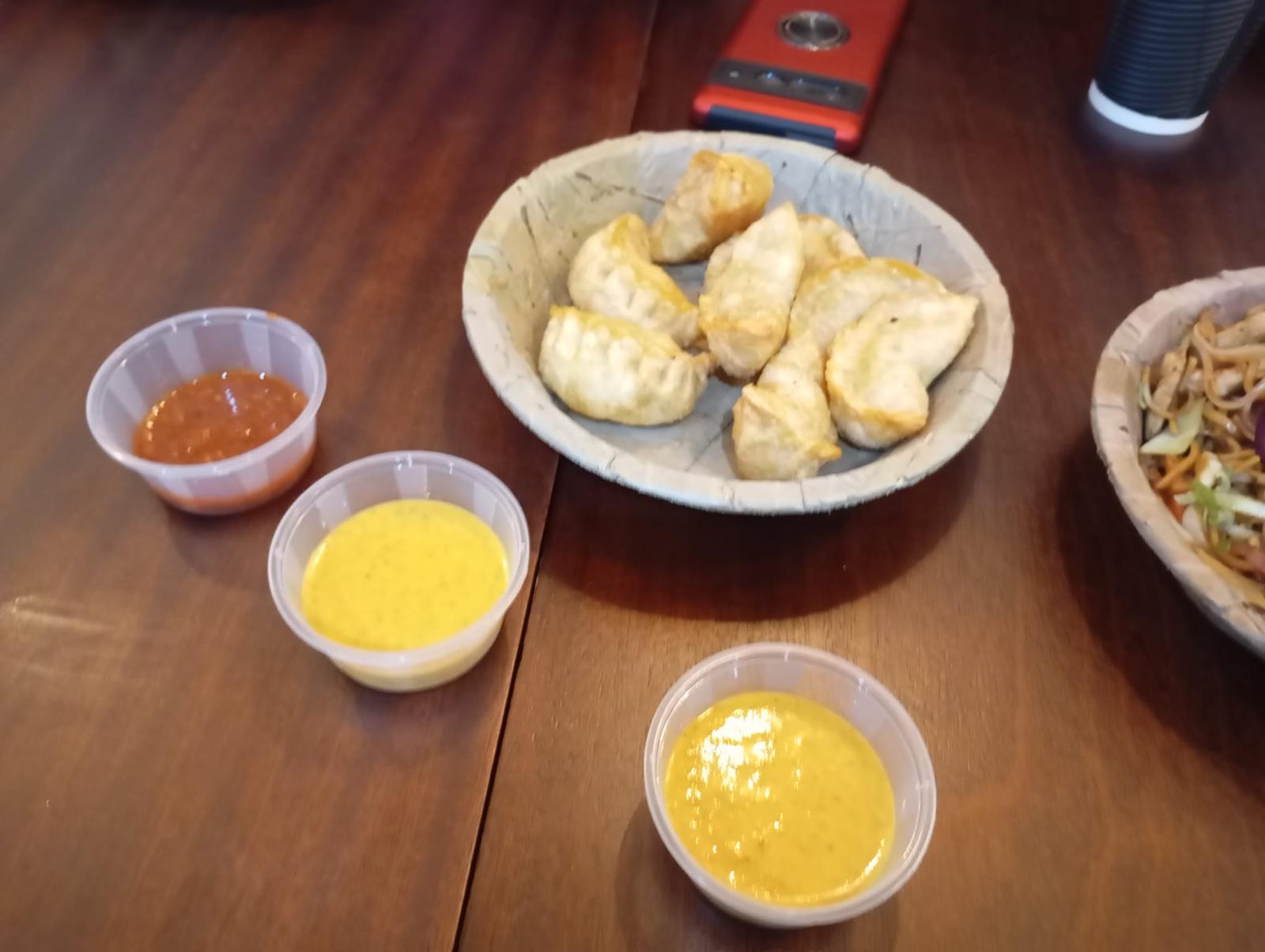
Tapari fried
Fry + tapari
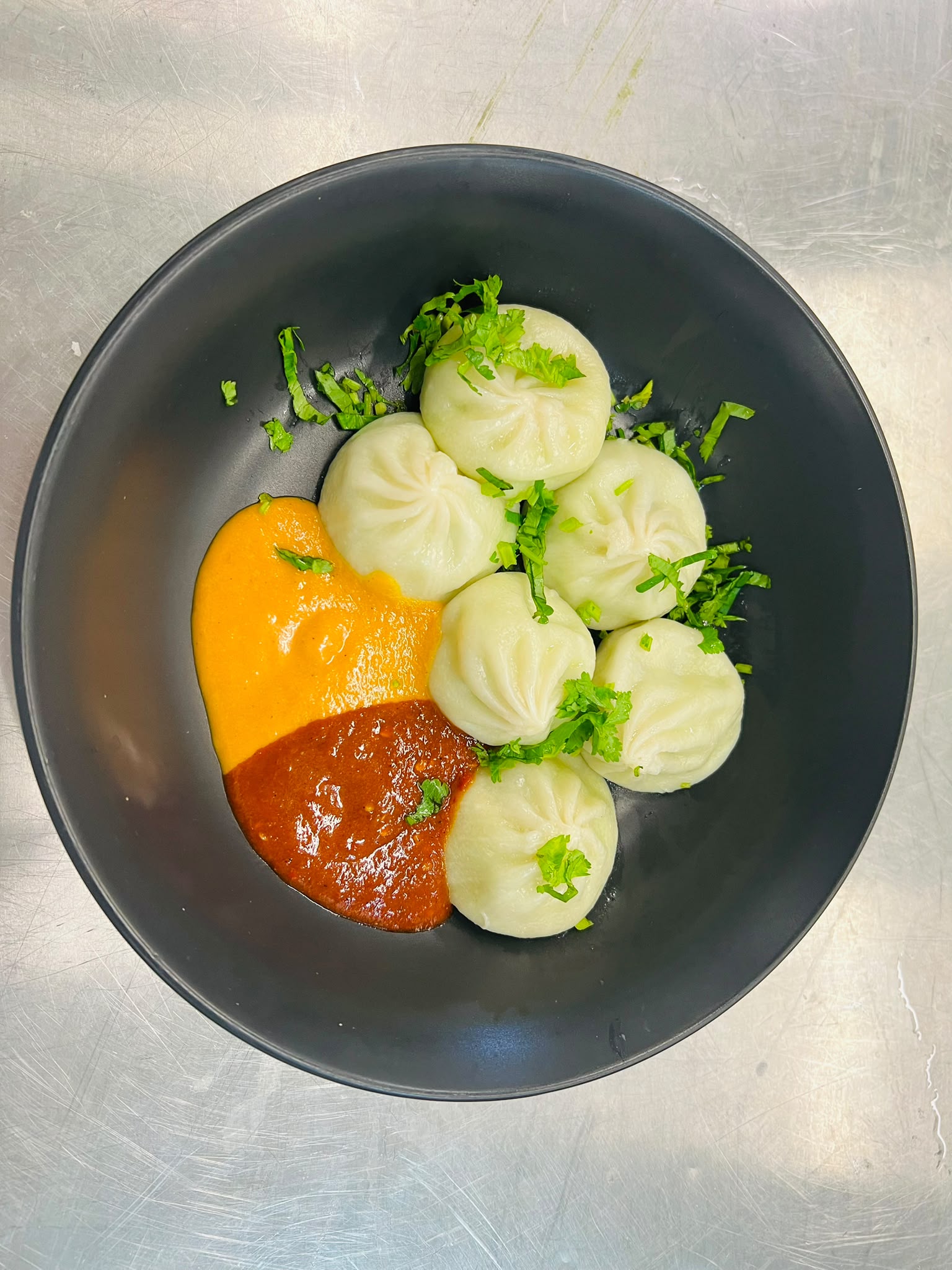
MM-KT-01
Kitchen plated
Expo
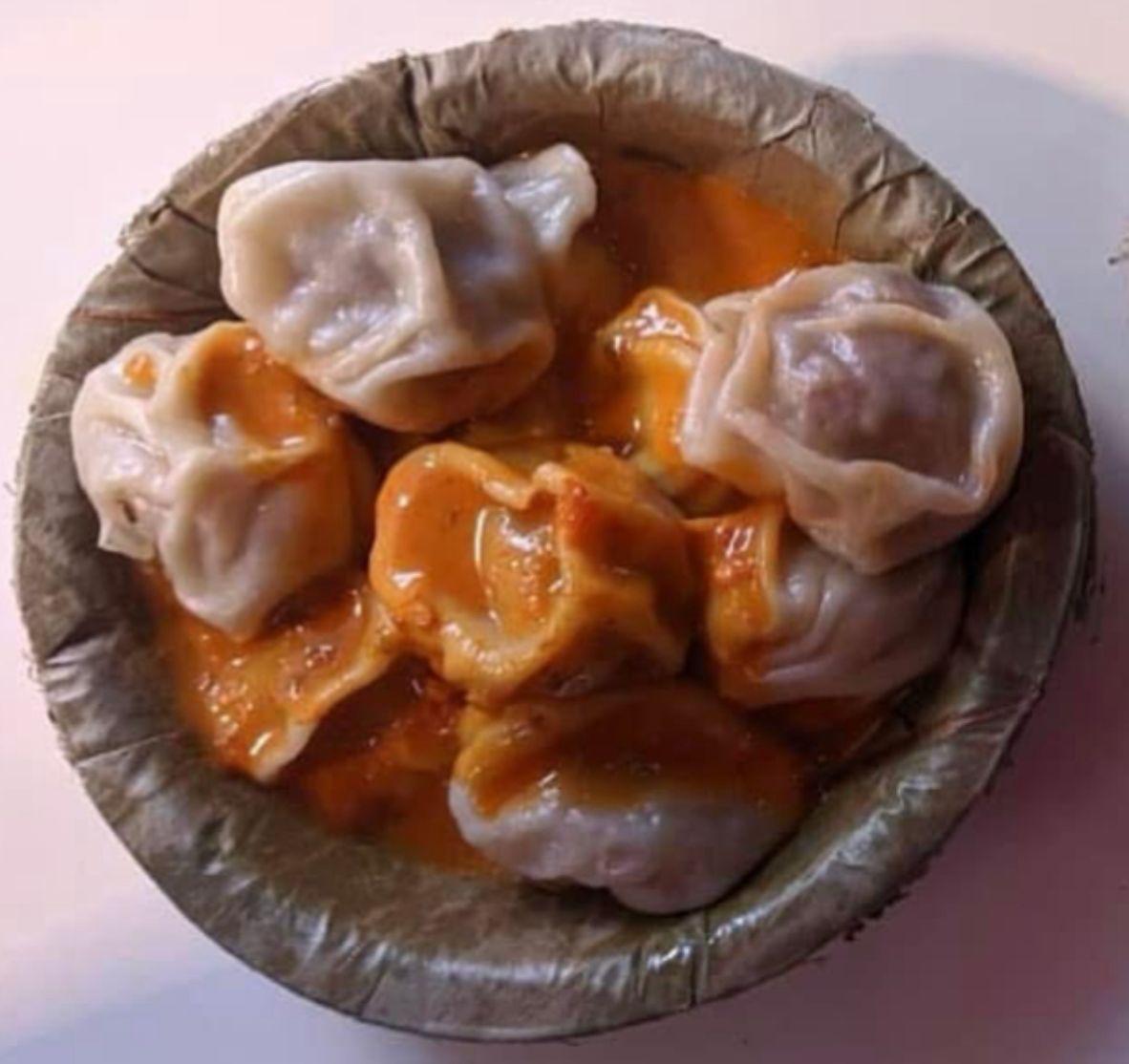
MM-LF-01
Leaf-plate jhol
Sustain
Why Metro Momo
Not another restaurant homepage. A dumpling operating system.
| Typical POS | Metro Momo | |
|---|---|---|
| Cook-method routing | Generic pizza / burger tickets | Steam, fry, jhol, expo as first-class stations |
| Modifiers | Notes field, often missed | Steam / fry / chilli / sauce flight as structured data |
| Catalog | Per-shop menus drift | Central item master, local availability |
| Formats | New POS when you add a kiosk | Same OS for shop, trailer, tuk-tuk |
| Guest app | Marketplace takes the customer | White-label on your catalog |
| Audit | End-of-day spreadsheet | Ticket-level void, tax, and SLA log |
How it works
From ticket to steamer without a paper slip
Capture
POS, kiosk or app writes one ticket with modifiers: steam, fry, chilli, jhol.
Route
Order MS splits work to steamer, fryer and sauce stations with SLA timers.
Cook
Kitchen display shows only that station’s queue — not a generic pizza board.
Learn
Outlet, shift and SKU reports land in one console for franchise control.
Impact
Operators measure tickets, not likes.
Governance
One item master. Local execution.
Franchise brands fail when each shop edits its own menu. Metro Momo keeps SKU, price rules and photos central — outlets only toggle availability and hours.
Identity
Roles for owner, shift lead and crew. No shared till PIN as a culture.
Audit
Every void, discount and modifier is stored against the ticket.
Devices
Kiosk, handheld and KDS pull the same catalog. Offline tills sync up.
Formats
Same brain. Any footprint.
Shop, mall pad, trailer or tuk-tuk — software does not change because the walls do.
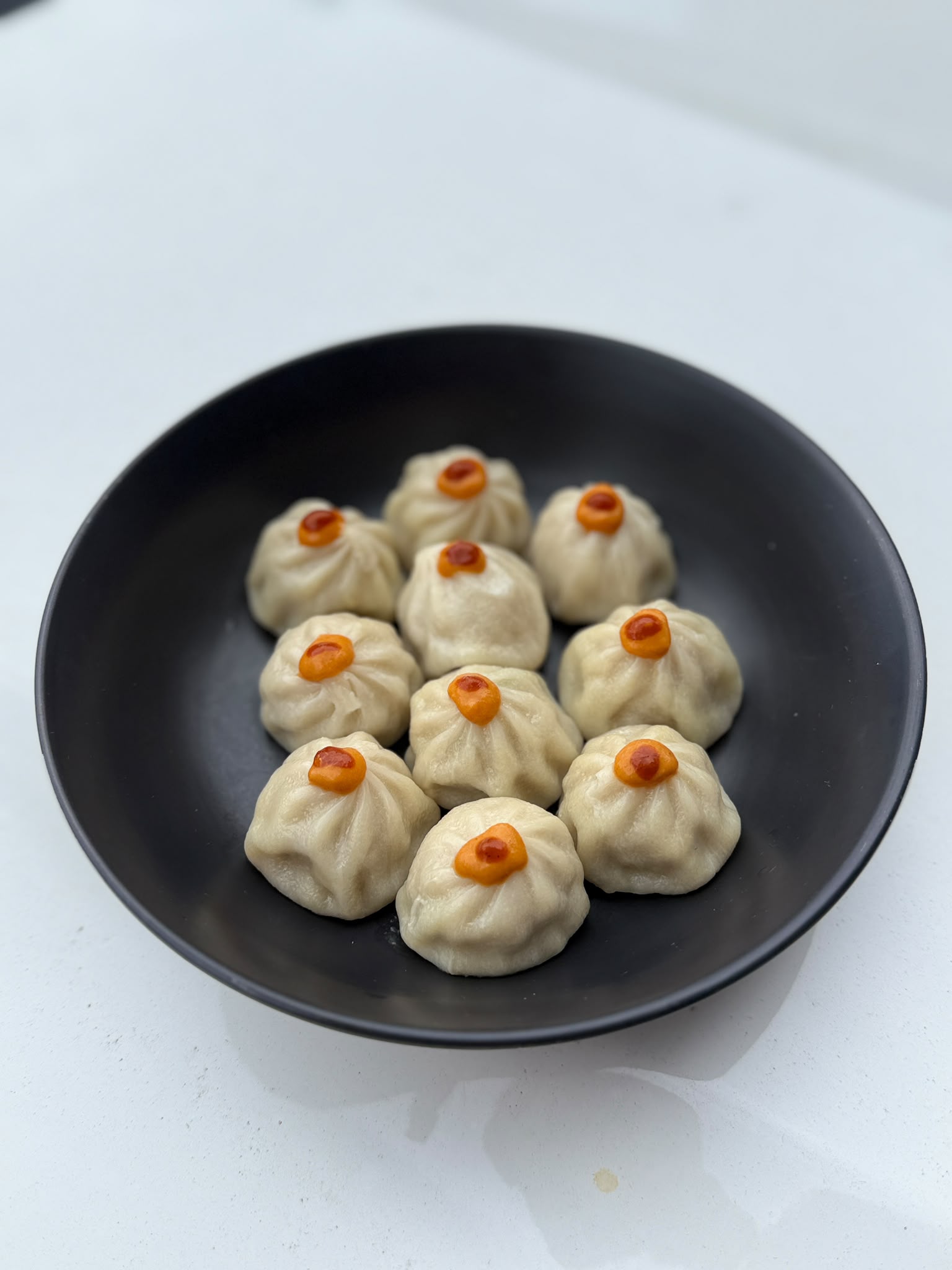
Single shop
POS, KDS, and QR menus for an independent momo kitchen that wants clean numbers from day one.
Franchise & multi-outlet
Shared catalog, local pricing, and order audit so every store runs the same playbook.
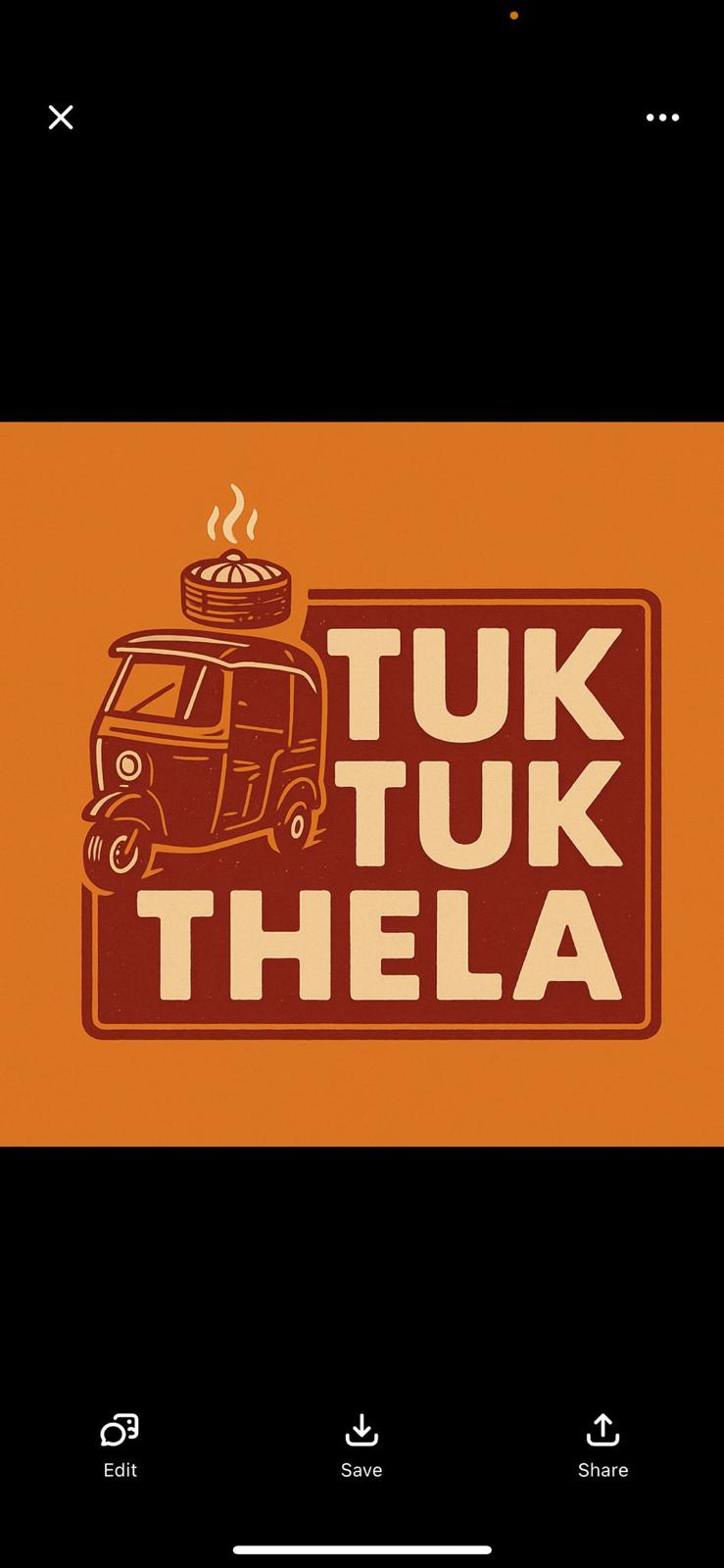
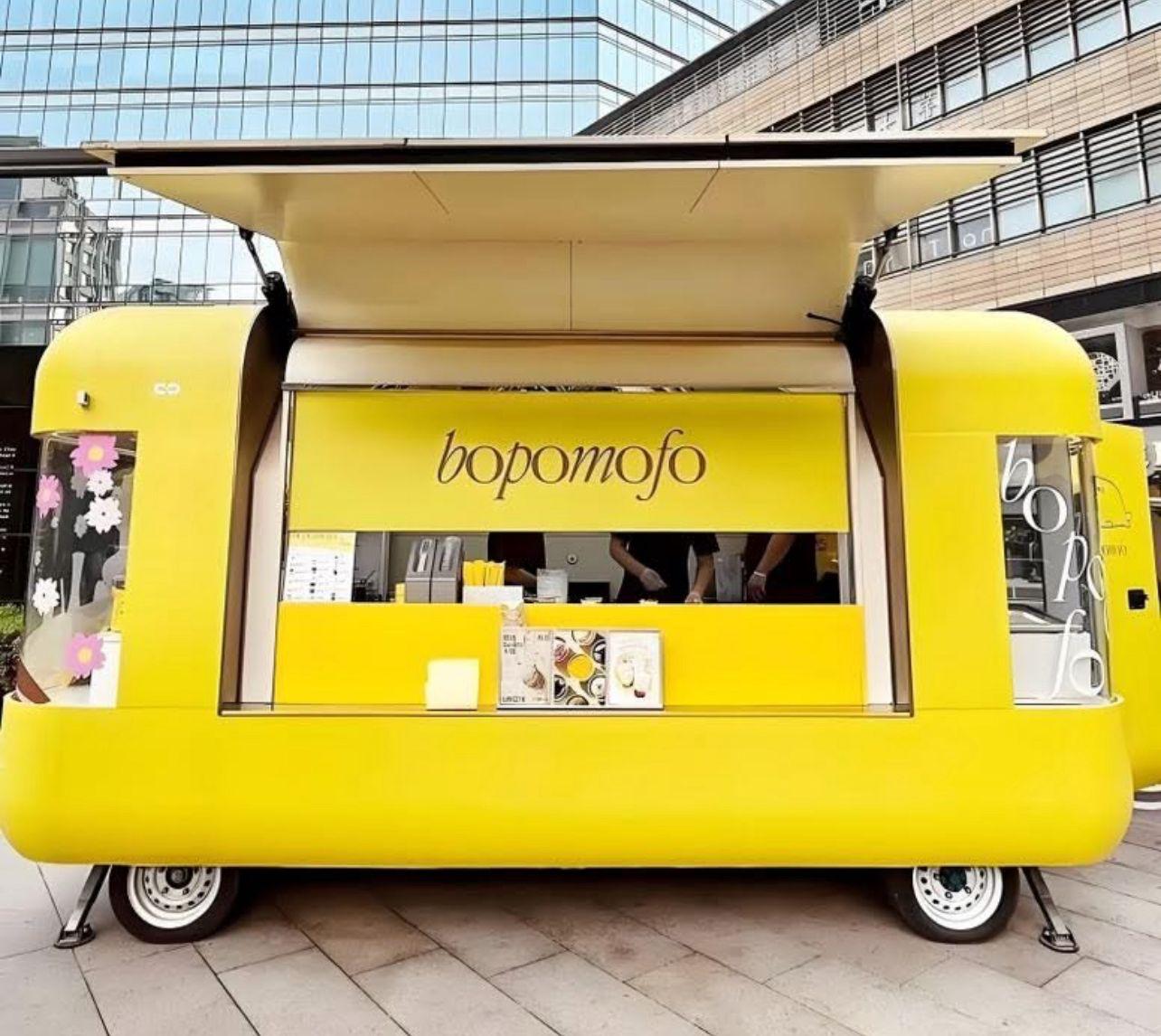
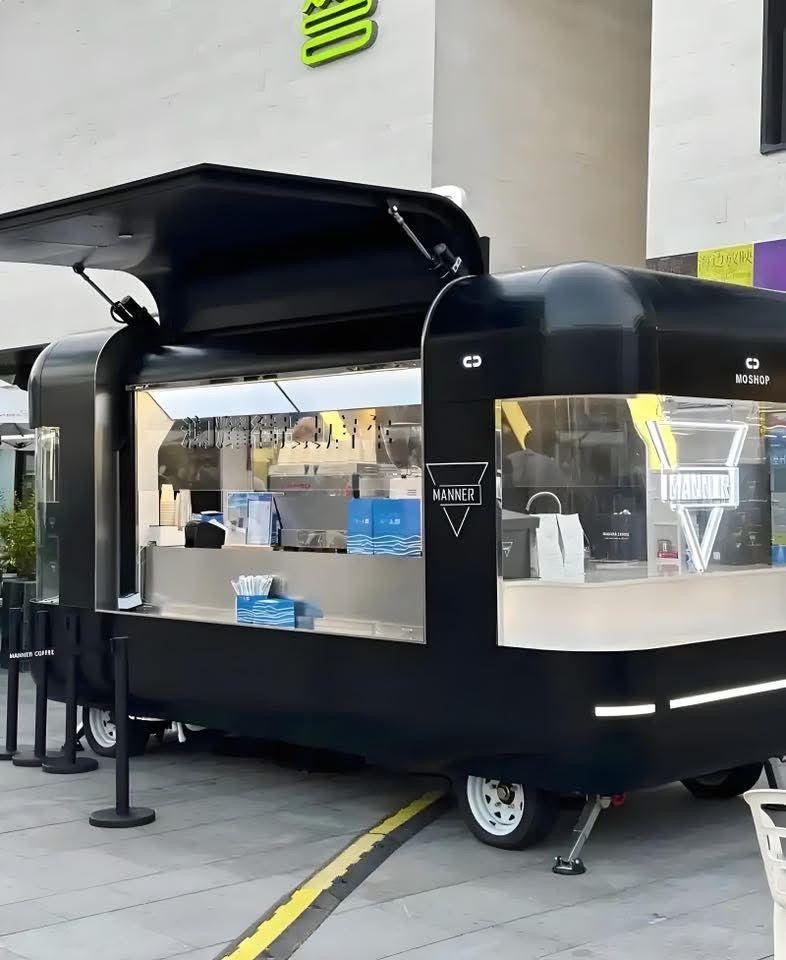
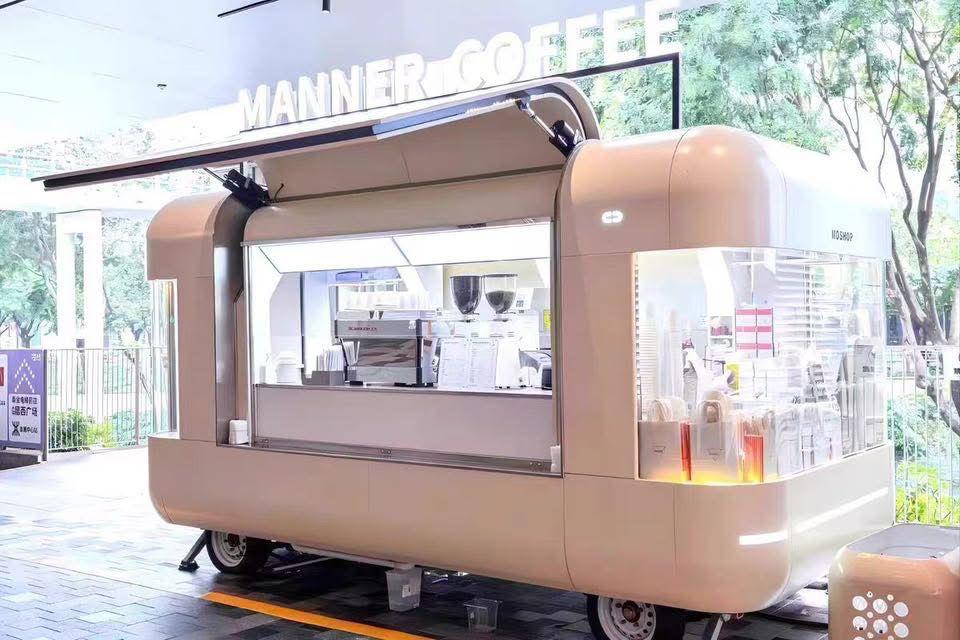
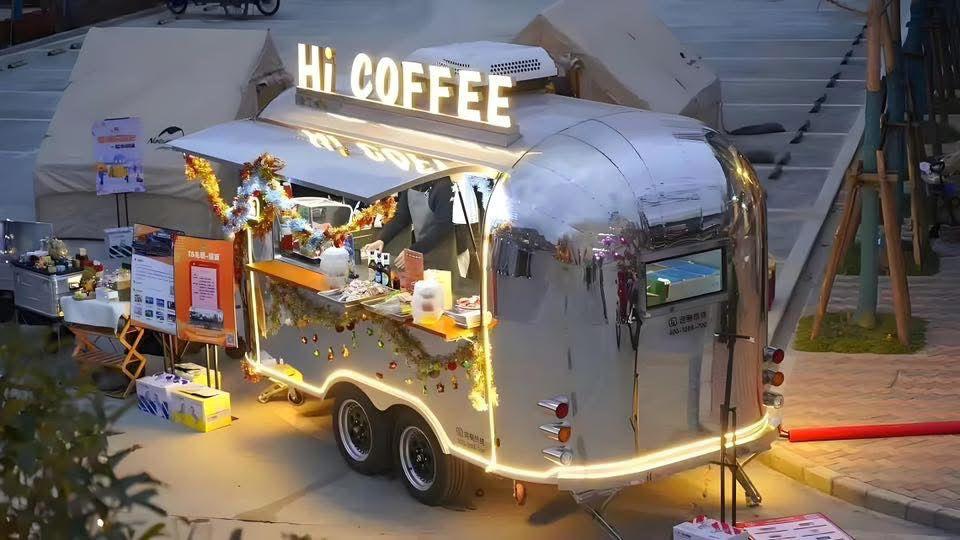
Street & mobile
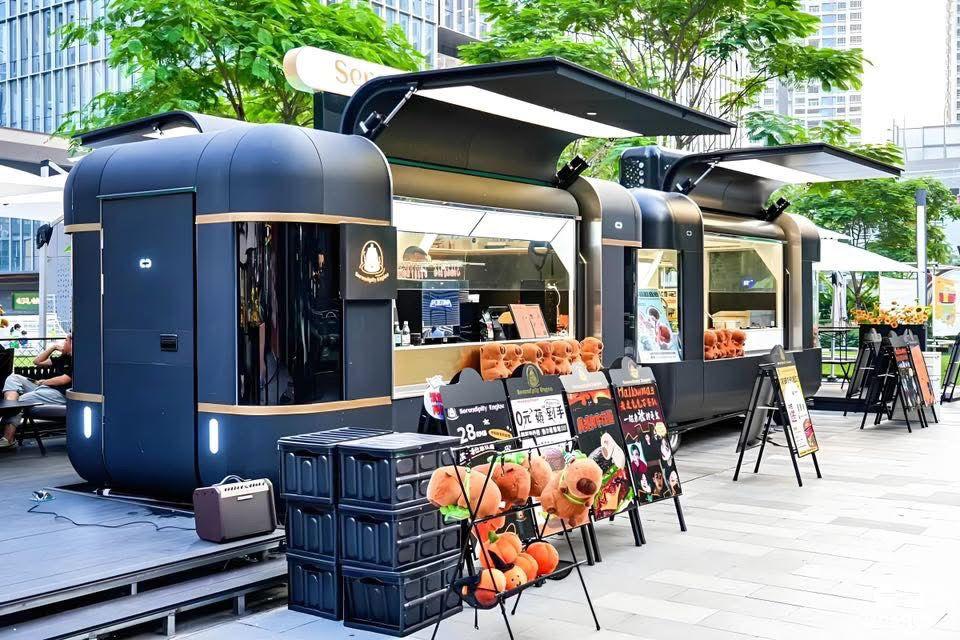
Tuk-tuk, trailer, and pad formats with the same stack as a high street shop.
Training for what’s next
Playbooks as serious as the software
Professional training
Shift-lead certification on POS, voids, and peak routing.
Strengthen operations →Brand systems
Guest apps and mascots on the operator stack, not a third-party store.
See guest apps →Insight
Domain knowledge is product data
Catalog photographs, cook method and culture sit in the same system as price. That is how a dumpling brand scales without becoming a generic QSR.
Open knowledge →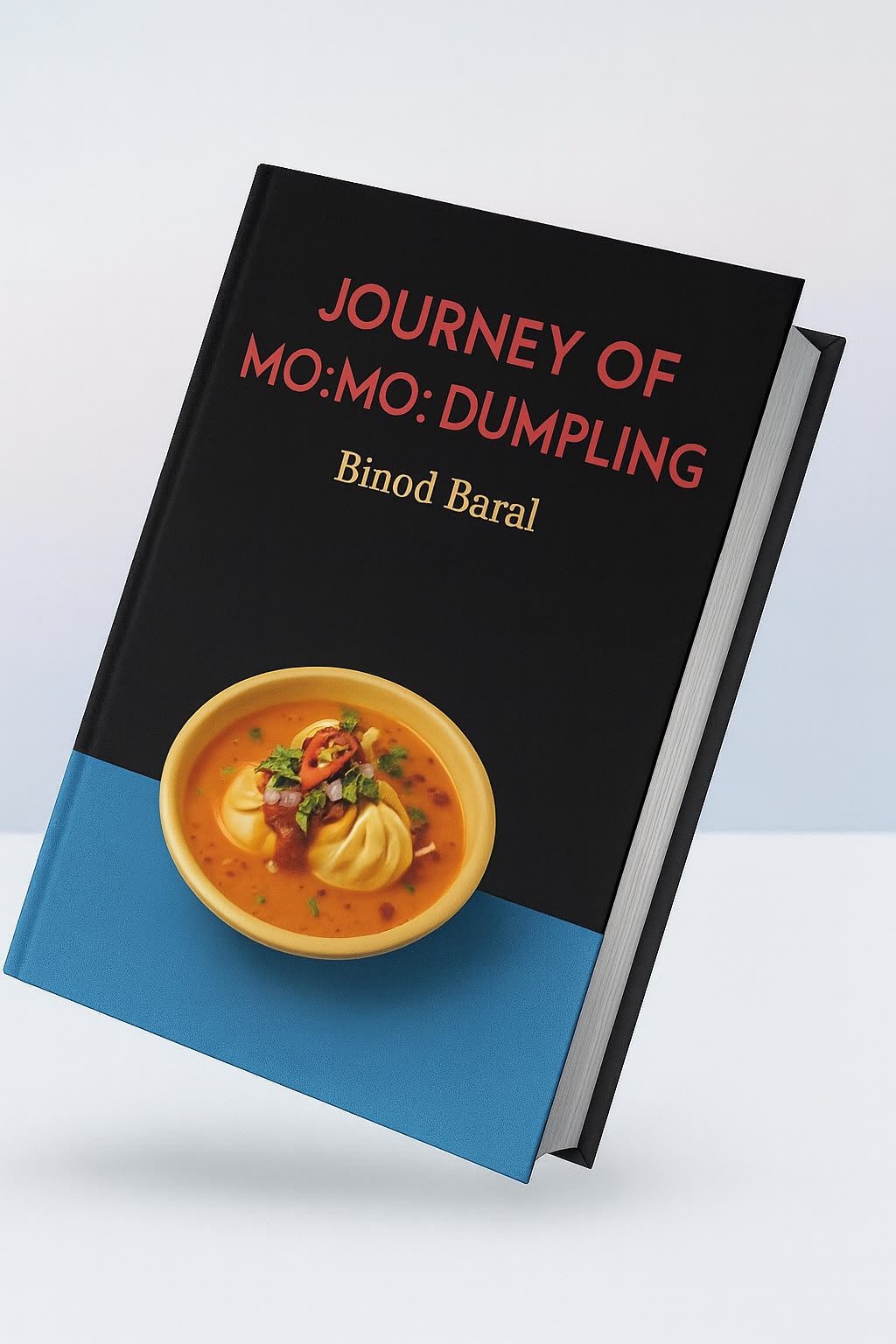
Stories
Impact from the line
47%
faster ticket time
Peak steamer without missed chilli flags
Kitchen display split steam and fry so expo stopped shouting across the line.
3
formats, one SKU list
One catalog across three formats
Shop, trailer and street unit shared price and photo — guests saw the same momo.
100%
outlets can toggle tapari
Tapari as a service flag, not a slogan
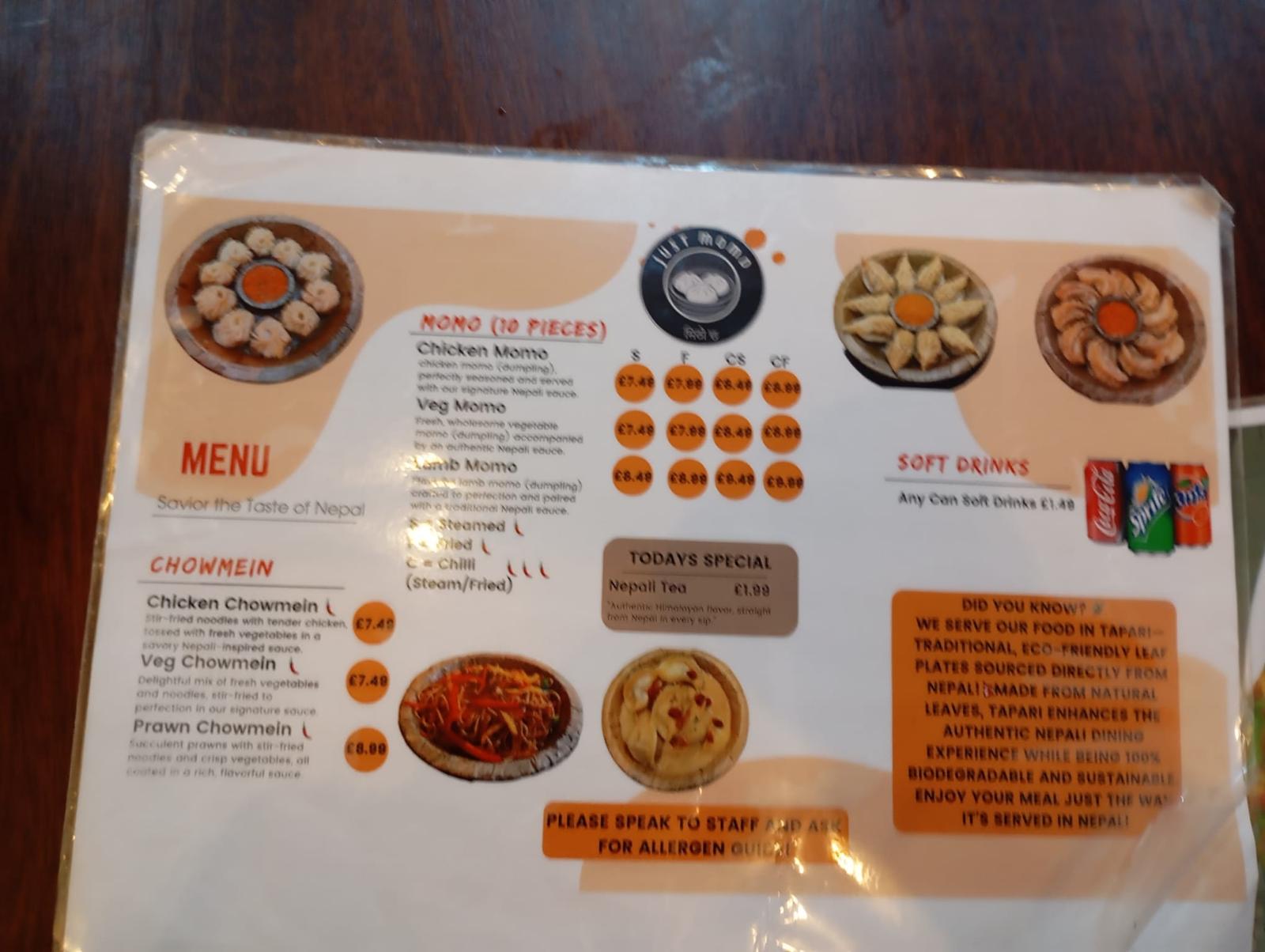
Sustainability is a menu attribute operators turn on by location.
Stay connected
Operator briefing
Catalog, kiosk OS and franchise notes. No diner coupons.
Next
Put every outlet on one stack.
Demo in a working kitchen. We map POS, OMS, apps and kiosk OS to your ticket mix.